About
We are a team of visualization researchers at Graz University of Technology and the University of Utah. Our interests include the process of designing and developing visualizations, visualization for biology, visualization frameworks, and, more generally, visualization of big, heterogeneous, and complex datasets.
VDL is part of the Institute of Human-Centred Computing (HCC) at Graz University of Technology. VDL started at the Scientific Computing and Imaging Institute and the School of Computing at the University of Utah and remains affiliated with both.
Blog And News
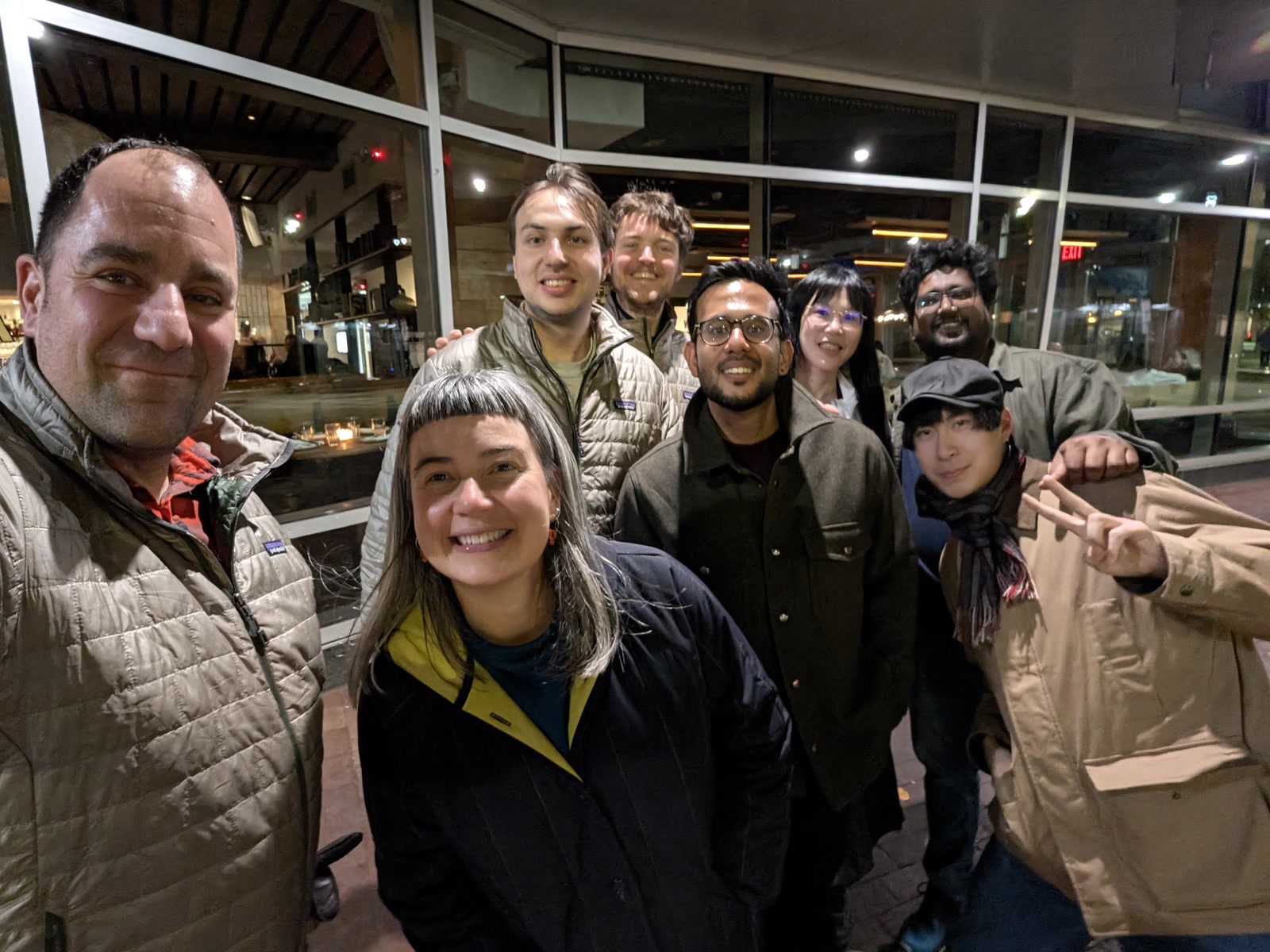
IEEE VIS is wrapping up – and it’s time to quickly recap VDL’s highlights at the conference.
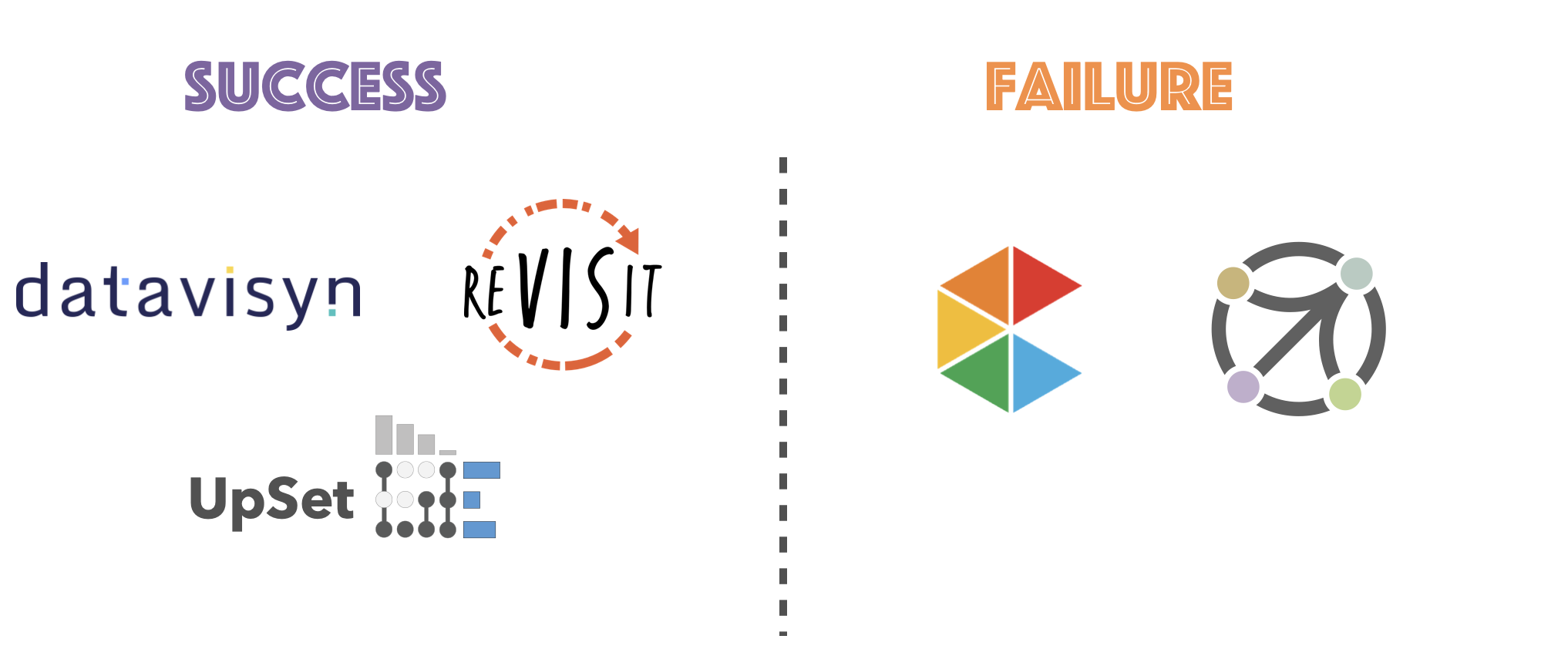
Over the last 15 years, I have been involved in numerous projects that aimed to build visualization research software – not just as demonstrations for papers, but as systems that could be sustained, adopted, and used beyond their original research context. Some of these efforts failed; others achieved tentative forms of success. In this post, I will reflect on what worked, what did not, and what I learned from both. I will discuss different ways visualization research software can succeed: by advancing an idea even when the lasting contribution is the idea rather than the artifact, by turning a prototype into a commercial product, or by growing a project into community-focused open-source infrastructure. Drawing on these experiences, I will offer practical guidelines for researchers who want to build software that survives beyond the initial publication.
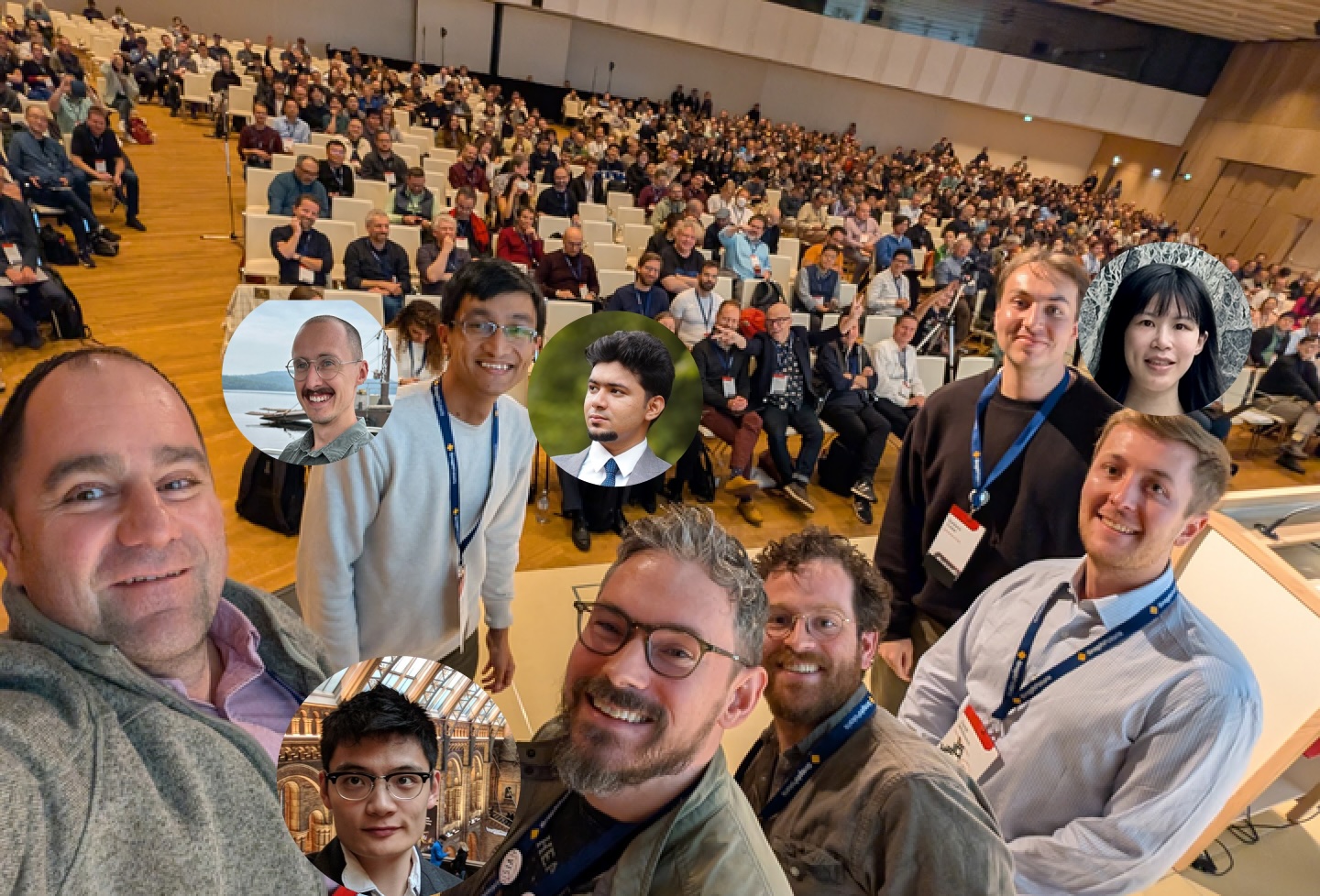
We’re happy to share that our paper on ReVISit 2 received a Best Paper Award at IEEE VIS 2025. ReVISit 2 is an open framework for designing, deploying, and disseminating browser-based visualization studies across the full experiment life cycle. In this post, we summarize the contributions of the paper, describe the replication studies that demonstrate the system’s capabilities, reflect on feedback from users, and outline how reVISit can support more reproducible and expressive experimental research.
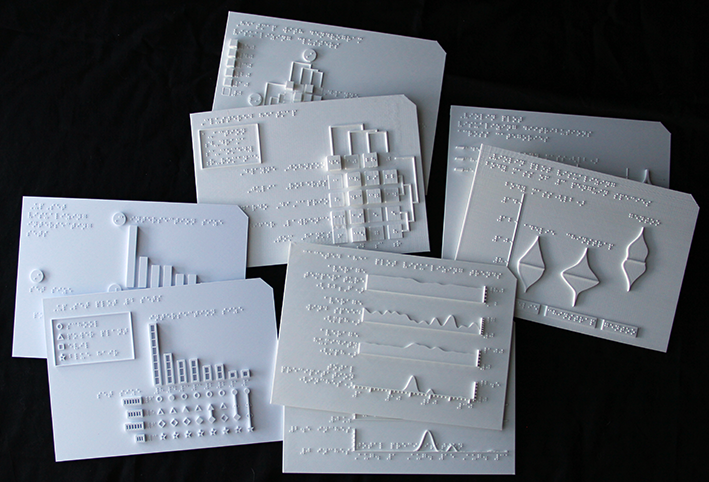
If you’ve ever struggled to read a complicated chart, imagine trying to understand it without ever seeing it at all. For blind and low-vision (BLV) individuals, that’s not just a thought experiment—it’s a daily reality.
Most of the time, BLV readers rely on alternative text (alt text) to access charts. Alt text works well for something simple, like a bar chart. But for more complex visualizations—think violin plots—it can be confusing. Without a mental model of the chart type, even the clearest description can seem abstract and incomplete.
That’s where our research comes in. Here, we explored how 3D-printed tactile “template charts” can help BLV individuals learn chart types. Rather than aiming to represent a dataset, these templates help BLV individuals grasp the core concept of each chart type.